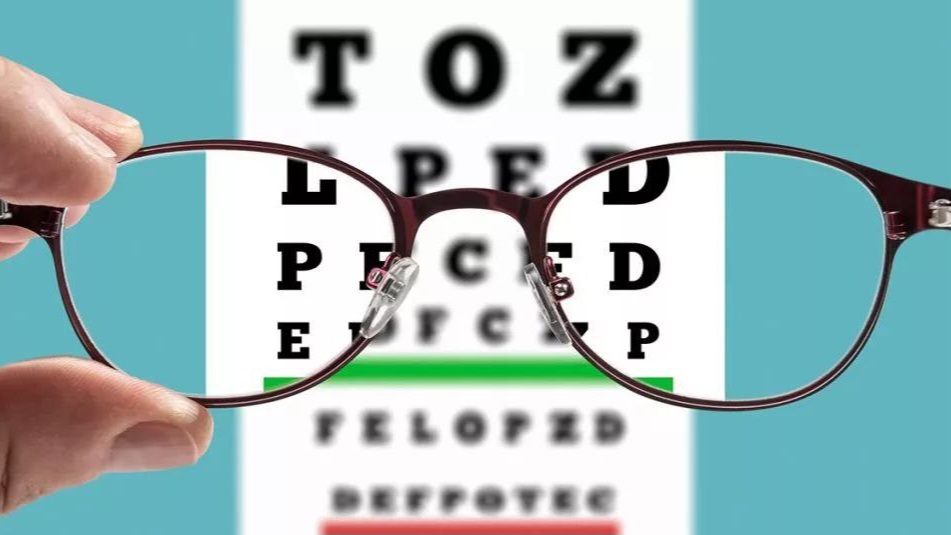
New study finds low light in indoor spaces is the main cause of the increase in myopia worldwide

Researchers at SUNY’s School of Optometry announced in a new study that the significant increase in myopia worldwide, contrary to popular belief, is not related to the use of screens, but rather to prolonged focusing on close distances in dimly lit environments.
This study shows that in indoor and low-light environments, the pupil of the eye contracts to create a clear image, but due to the lack of sufficient light, it does not reach the retina. This condition weakens the normal activity of the retina and stimulates abnormal growth of the eyeball, which leads to myopia.


Global statistics indicate that myopia now affects about 50% of young people in the United States and Europe, and up to 90% of young people in some parts of East Asia.
The researchers emphasized that continuous use of negative lenses in glasses or contact lenses also exacerbates this process, while exposure to natural light outside, where the pupil constricts but enough light reaches the retina, prevents the progression of myopia.
Researchers recommend increasing the time children and adolescents spend outdoors in bright spaces, reducing the time they spend focusing on close-up activities in dimly lit environments, and paying special attention to ambient light at home and in classrooms.