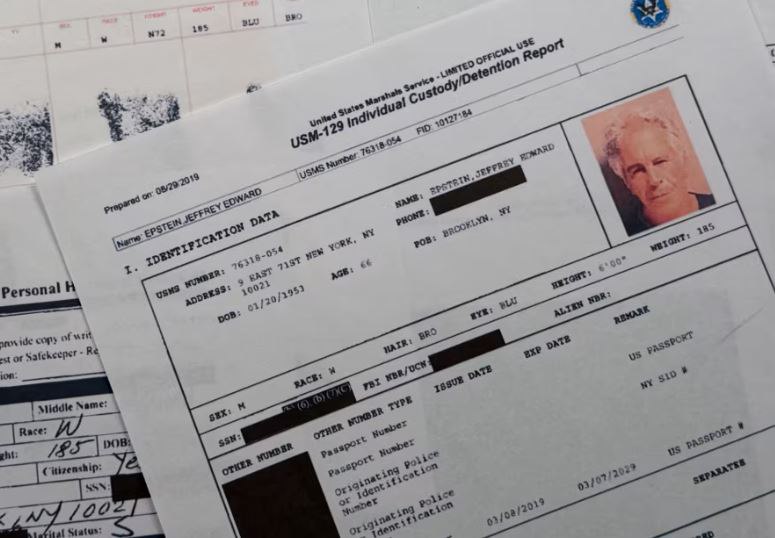
The gradual and widespread release of documents from the US Department of Justice under the Epstein Transparency Act has sparked a wave of shock and debate at various levels of American society. More than 3 million pages of new documents, along with 180,000 images and more than 2,000 videos, have been released, making it the largest volume of government disclosure in the case.
The documents reveal Jeffrey Epstein’s extensive connections to influential figures in politics, business, academia and Hollywood. However, the release process has been delayed and parts of the documents remain censored or restricted, prompting criticism of the slowness of the investigation and judicial leniency towards powerful individuals.


Many of the individuals named remain in their positions, and only a limited number have faced serious consequences.
The 2008 plea deal with Eastin, his suspicious death in prison, and the failure to seriously prosecute some of his alleged accomplices have painted a picture of selective justice in which wealth and influence prevent equal application of the law.
American public opinion has increasingly come to believe that justice is not served equally in cases involving power and wealth, and that the judicial system often shows leniency toward influential individuals.