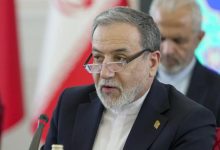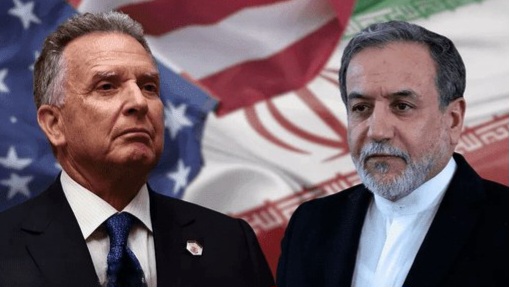
The second round of indirect nuclear talks between Iran and the United States began today, Tuesday, February 17, at the Omani Embassy in Geneva.
After arriving at the venue of the talks, Iranian Foreign Minister Seyyed Abbas Araqchi met and held talks with Omani Foreign Minister Badr Al-Busaid.
The Iranian delegation is headed by Seyyed Abbas Araqchi, the American delegation is headed by Steve Whittock, Donald Trump’s special representative, and Badr Al-Busaidi, as the Omani mediator, is leading this round of talks.
The talks are focused solely on the nuclear issue and the lifting of sanctions, with no other issues on the agenda.
Majid Takht Ravanchi, Iran’s deputy foreign minister for political affairs, emphasized in an interview with a BBC reporter that zero enrichment is not on the table at all. We have paid a heavy price for enrichment, the imposed war, the martyrdom of scientists and commanders, and the suffering of many… Enrichment is an integral part of our nuclear program and we cannot forget its costs.
Before the start of the talks, Iranian Foreign Ministry spokesman Esmail Baghai told the country’s media: “Our cautious assessment is that the US position has become more realistic regarding the Muscat talks and has remained committed to Iran’s rights within the framework of the NPT treaty.”
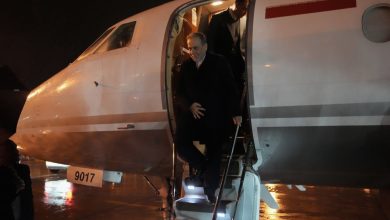
Araghchi and the Iranian delegation arrived in Geneva yesterday, and the plane carrying Steve Witkoff also landed today; Witkoff is also scheduled to participate in the talks on Ukraine today.
After arriving in Geneva, the Iranian Foreign Minister wrote on X Network: “I have come to Geneva with real initiatives to achieve a fair and balanced agreement. What is absolutely not on the agenda is surrendering to threats.”
Araqchi had previously said in an interview with Al Jazeera after the Muscat talks: “I told the American negotiators that we have two options: war or diplomacy… Our choice is diplomacy, but we are ready for both options.”